
Unlearning Marketing: What We Got Wrong - Debunking Marketing myths

Marketing isn’t a fixed science—it’s more like a journey that constantly forces you to rethink everything you thought you knew. Back when we were just starting out at Digimix—a small team of a digital marketer and a graphic designer—we followed many “tried and true” rules. Over time, however, we discovered that some of these popular principles simply didn’t work for us. Here’s a personal look at the marketing and design beliefs we had to unlearn, and why letting go of them made us better at what we do.
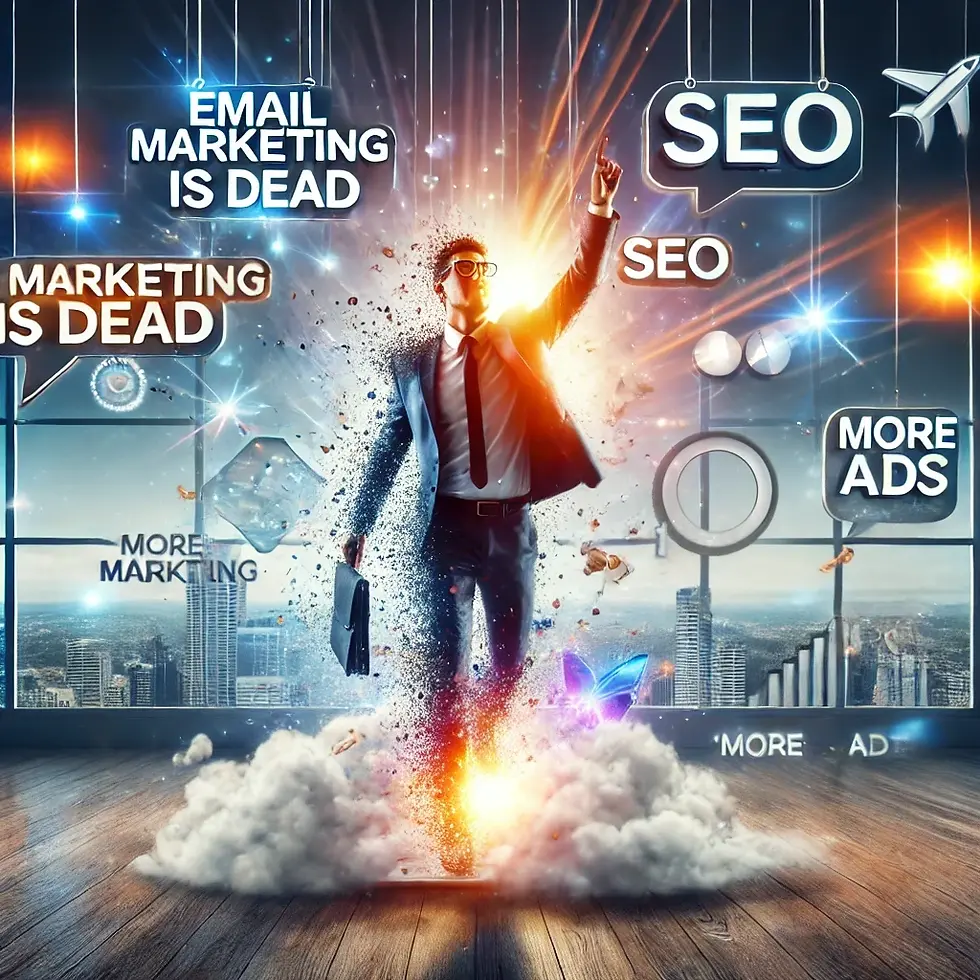
Rethinking the Old Rules - Debunking Marketing myths
Let's debunk some marketing myths today. In our early days, we were convinced that more content was always better. We’d push out posts every chance we got, chasing the idea that high numbers of likes and shares meant we were nailing it. It seemed logical: more posts, more eyeballs, right? But as we dug deeper and listened to our clients and audience, we realized that flooding our channels wasn’t building the kind of genuine connections we hoped for.
Quality Over Quantity
What We Thought:
"Keep posting frequently, and you’ll naturally reach a wider audience."
What We Learned:
Constantly posting diluted our message. Our audience started to feel overwhelmed, and our posts lost their impact. Instead, we shifted gears to create fewer, more thoughtful pieces that really spoke to our audience. When you focus on quality, your message not only stands out but also builds trust and engagement over time.
For example, we once tried a daily posting strategy with quick tips and generic advice. While the numbers initially looked good, the interactions were shallow and didn’t lead to real conversations or client inquiries. When we slowed down and put more effort into each post, we noticed a real improvement in how people connected with us.
The Pitfall of Vanity Metrics
What We Thought:
"A high number of likes and shares is the ultimate sign of success."
What We Learned:
It turns out that chasing likes and shares can be misleading. Sure, they’re nice to see, but they don’t always translate into meaningful relationships or actual business growth. Instead, we started paying attention to the quality of interactions—comments, meaningful discussions, and feedback that could help us improve. In the end, it’s not about the numbers on a screen, but about building a loyal community.
For instance, we once celebrated a campaign that had impressive reach metrics, only to realize that very few of those interactions were genuine or led to any follow-up. Shifting our focus to more meaningful engagement helped us build stronger connections with our audience.
Rethinking Virality
What We Thought:
Going viral is the golden ticket to success."
What We Learned:
While it’s exciting to see a post go viral, we learned that chasing virality can distract from building a solid, authentic brand. A post designed just to capture quick attention often misses the mark when it comes to conveying our true message. Now, we strive to produce content that might not always be flashy but truly reflects our brand values and expertise.
For example, in one attempt to grab attention, we put out a trendy post that ended up feeling off-brand. Even though it got a lot of views, it didn’t resonate with our core audience. We learned that staying true to our voice was far more important than chasing temporary buzz.
Beyond Just Looking Good
What We Thought:
"Design is all about creating eye-catching graphics."
What We Learned:
While visuals are important, design is ultimately about communication. It’s not just about making something look pretty—it’s about telling a story, conveying an emotion, and ensuring the message is crystal clear. We started to see design as a tool to enhance our narrative, not just as an aesthetic accessory.
For example, we initially focused on bold and striking visuals that sometimes overshadowed the intended message. Once we started incorporating storytelling into our design process, our content became more engaging and effective.
Embracing a New Approach
The journey of unlearning these old habits wasn’t easy, but it has reshaped how we approach our work today. Here’s what we now prioritize:
Authenticity: Sharing real stories and genuine insights that truly resonate.
Strategic Content: Prioritizing quality over quantity to deliver meaningful messages.
Purposeful Design: Merging aesthetics with clear communication to support our brand story.
True Engagement: Focusing on interactions that build lasting relationships rather than just chasing numbers.
Final Thoughts
Learning to unlearn isn’t just about discarding outdated ideas—it’s about making space for innovation and growth. At Digimix, the process of questioning and refining our approach has allowed us to connect with our audience in more authentic ways. We hope that by sharing our journey, you’ll feel inspired to question the conventional wisdom in your own work.
What old marketing beliefs have you had to let go of? We’d love to hear your story in the comments below.
Comments